The used vehicle market in Canada is not confined to your local area. Online listings have made it entirely normal to find the right car in a city five provinces away, negotiate a deal remotely, and arrange transport home without ever setting foot in a dealership. What was once a niche practice has become a routine part of how Canadians buy vehicles.
The logistics of getting that car from the seller’s city to your driveway are straightforward once you understand what is involved. The complications that arise usually come from skipping steps rather than from the process itself being complicated.
Why People Buy Vehicles Out of Province
The most common reason is selection. A specific trim level, colour, or low-mileage example of a particular model may simply not exist in your local market at a price that makes sense. Expanding the search nationally opens up inventory that a regional search misses entirely.
Price differences are another factor. Certain vehicle types command premiums in some provinces that do not exist in others. Pickup trucks, for example, tend to be priced more competitively in Alberta than in Ontario or British Columbia. Buyers willing to look outside their home province can sometimes find meaningful savings that justify the additional logistics involved.
Read More : Cash For Commercial Truck: Turn Burdens into Benefits
Salt exposure is a consideration for buyers in eastern Canada. Vehicles that spent their lives in Alberta or British Columbia are often in significantly better mechanical and body condition than comparable vehicles from provinces that use road salt heavily in winter. That condition difference can make a western-sourced vehicle worth pursuing even at a premium over local options.
What to Confirm Before You Buy
Purchasing a vehicle remotely requires due diligence that goes beyond what most local purchases involve. A vehicle history report is the baseline — confirm the VIN, ownership history, any accident records, and whether the title is clean. Services like Carfax Canada provide this for a modest fee and are worth every cent on a remote purchase.
A pre-purchase inspection by an independent mechanic at the seller’s location is strongly recommended. This is standard practice in the industry and any legitimate private seller or dealership should accommodate it. If a seller resists an independent inspection, treat that as a serious warning sign.
Confirm the vehicle’s registration status before money changes hands. A car with a lien registered against it in another province can create legal complications at your end even if the seller presents themselves as the outright owner. Your provincial motor vehicles branch can advise on how to check for registered encumbrances before finalizing a purchase.
How Transport Fits Into the Buying Process
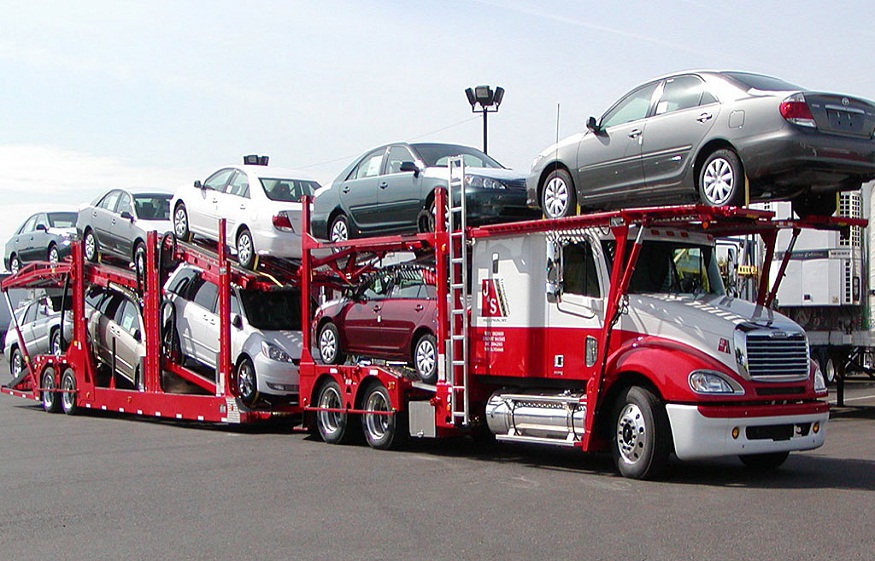
Once the purchase is confirmed, most buyers face a choice: fly out and drive the vehicle home, or arrange professional transport. For shorter distances — say, Calgary to Regina — driving may be practical. For longer hauls, or purchases made during winter, shipping is usually the more sensible option.
Professional auto transport removes the logistical burden of a long drive in an unfamiliar vehicle that you have never actually operated before. Mechanical surprises that a pre-purchase inspection missed are less likely to strand you on a highway if the car is on a carrier rather than under you.
Timing the transport booking to align with the purchase completion matters. Most carriers require the vehicle to be available for pickup within a defined window. Arrange the transport quote before you finalize the deal so you understand the full cost, and book as soon as the purchase is confirmed to secure your preferred pickup slot.
Registering and Insuring an Out-of-Province Vehicle
Every Canadian province requires vehicles to meet its own safety and emissions standards before they can be registered locally. The specific requirements vary, but most provinces require an out-of-province inspection conducted by a certified facility before issuing new plates.
Book this inspection before the vehicle arrives if possible, or immediately after delivery. Some provinces have wait times for inspection appointments that can delay registration by a week or more. Driving an unregistered vehicle on public roads is not permitted, so having the inspection lined up in advance avoids the vehicle sitting idle longer than necessary after it arrives.
Contact your insurance provider before the vehicle leaves the seller’s location. You will need at minimum a temporary binder policy covering the vehicle during transit and on arrival. Some insurers can add a newly purchased vehicle to an existing policy on short notice; others require the registration to be finalized first. Knowing where your insurer stands on this before the vehicle ships prevents coverage gaps.
Costs to Account For
The purchase price is only part of the total cost of an out-of-province buy. A realistic budget accounts for all of the following:
- Vehicle transport from the seller’s city to your home
- Pre-purchase inspection at the seller’s location
- Out-of-province safety inspection at your end
- Provincial registration and transfer fees
- Any repairs identified during the safety inspection
- Temporary insurance coverage during the transition period
These costs are predictable and in most cases modest relative to the purchase price. The buyers who run into trouble are those who budget only for the vehicle and are then surprised by the ancillary costs on the back end. Car shipping across Canada on most routes is a fixed, quotable cost that can be confirmed before you commit to the purchase, so there is no reason to leave it as an unknown.
Dealer Purchases vs. Private Sales
Buying from a dealership in another province offers some protections that private sales do not. Licensed dealers are required to disclose known defects in most provinces, and many offer some form of certification or limited warranty even on used vehicles. The transaction documentation is also more standardized, which simplifies the registration process at your end.
Private sales are legal and common, but the buyer carries more risk. There is no recourse for undisclosed issues after the transaction closes in most provinces, which makes the pre-purchase inspection even more important than it would be with a dealer. The transport process itself is identical regardless of whether the seller is a dealer or a private individual.
Getting the Vehicle Home Smoothly
The out-of-province purchase process has enough moving parts that keeping them organized makes a real difference. A simple checklist approach works well: confirm purchase and documentation, arrange inspection, book transport, notify insurer, schedule arrival inspection at your end.
Read More : Explore the Midwest with Confidence: The Importance of RV Generators
Each step depends on the previous one being completed, which is why starting early matters. Buyers who leave transport booking to the last minute, or who do not address insurance until the vehicle arrives, create delays that are entirely avoidable with a little advance planning.
For purchases that cross the Canada-US border rather than moving between provinces, the documentation and customs requirements are more involved. Cross border car shipping adds a layer of compliance work that is worth understanding fully before committing to an international purchase.
Done properly, buying a vehicle out of province is no more complicated than buying locally. The logistics are manageable, the costs are predictable, and the expanded selection that comes with searching nationally often makes the extra steps well worth it.
Frequently Asked Questions Do I need to be present when the vehicle is picked up by the carrier?
Not necessarily. If the seller is willing to handle the handover, they can sign the condition report at pickup on your behalf. Confirm this arrangement with your carrier in advance and make sure the seller has your contact information.
How long does transport take for an out-of-province purchase?
Transit times depend on the route. Most major Canadian city pairs take seven to twelve days. Book transport as soon as the purchase is finalized to get the most accurate delivery estimate for your specific route.
Can I ship a vehicle I just bought if it is not yet registered in my name?
Yes. Carriers transport vehicles during ownership transitions regularly. You will need the bill of sale and the seller’s registration documentation at pickup. Check with your carrier on what paperwork they require for an in-transit ownership change.