Efficient waste management is essential for businesses that handle large quantities of materials every day. Construction companies, demolition contractors, municipalities, recycling operations, and waste service providers all need dependable equipment to collect, transport, and process waste efficiently. When the right equipment is used, businesses can reduce unnecessary labor, improve productivity, and keep waste removal operations organized.
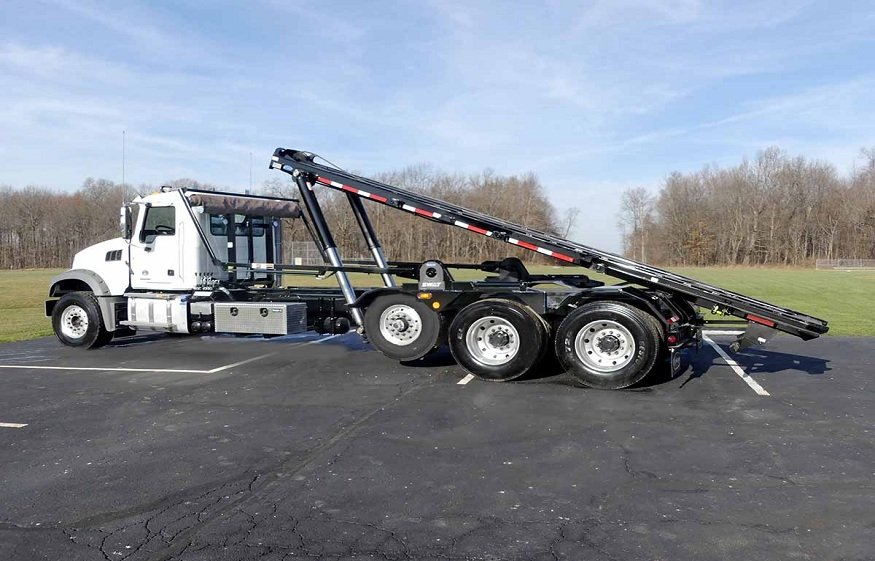
Roll-off systems play an important role in these operations because they provide a practical way to handle large volumes of waste. Among the equipment options available to waste management professionals, galbreath roll off solutions are designed to support demanding commercial applications where durability, efficiency, and reliable operation are important.
Understanding Roll-Off Waste Management
Roll-off systems are commonly used for projects that generate substantial amounts of waste. Unlike smaller containers designed for everyday waste collection, roll-off containers can accommodate materials from construction projects, demolition work, industrial operations, and large-scale cleanouts.
Read More : Technology Innovations in McNeilus Refuse Trucks
The system generally consists of a container and specialized equipment used to load, transport, and unload it. Once the container is full, it can be transported to an appropriate disposal, recycling, or processing facility.
This approach allows businesses to manage waste more systematically. Instead of relying on numerous small containers or repeated manual handling, companies can consolidate materials into larger containers and schedule transportation according to project requirements.
Improving Waste Collection Efficiency
One of the biggest advantages of dependable roll-off equipment is improved collection efficiency. Businesses often need to remove large quantities of waste within specific timeframes. Delays can affect project schedules and increase operating expenses.
A reliable roll-off system makes it easier to place containers where they are needed and remove them when they are full. This can be especially valuable on construction sites, where waste accumulates continuously as work progresses.
With an effective waste collection strategy, companies can maintain cleaner work areas and reduce interruptions caused by overflowing containers or inefficient waste removal processes.
Supporting Construction and Demolition Projects
Construction and demolition projects can produce significant quantities of concrete, wood, metal, drywall, packaging, and other materials. Managing these materials requires equipment capable of handling heavy and bulky loads.
Roll-off systems provide a convenient solution for collecting these materials directly at the jobsite. Workers can place waste into designated containers throughout the project instead of creating scattered piles that require additional handling.
For contractors, this can contribute to better jobsite organization while helping waste removal teams operate more efficiently.
Reducing Manual Material Handling
Manual handling can consume considerable time and labor when large amounts of waste need to be moved. Workers may need to repeatedly load materials into smaller containers or move waste across a jobsite before it can be transported.
Roll-off systems can reduce some of this unnecessary movement. Containers can be positioned closer to the point where waste is generated, allowing workers to deposit materials more conveniently.
This can help businesses use their workforce more efficiently and focus employees on tasks that directly contribute to project completion.
Durability Matters in Commercial Waste Operations
Waste management equipment often operates in challenging conditions. Containers and related equipment may encounter heavy materials, rough surfaces, frequent loading and unloading, and demanding transportation schedules.
For this reason, durability is an important consideration when selecting roll-off equipment.
Businesses should evaluate equipment construction, design, capacity, maintenance requirements, and suitability for their specific applications. Choosing equipment built for commercial use can help organizations maintain consistent performance over time.
Improving Fleet Productivity
Waste management businesses often operate multiple trucks and containers simultaneously. Fleet productivity depends on how efficiently equipment can be loaded, transported, emptied, and returned to service.
Well-designed roll-off equipment can support smoother workflows by making container handling more predictable.
When equipment is reliable, operators can spend less time dealing with unexpected problems and more time completing scheduled collection routes. This can help companies serve more customers without necessarily expanding their operations at the same rate.
Supporting Recycling Operations
Modern waste management is increasingly focused on recycling and material recovery. Businesses may need to separate recyclable materials from general waste to improve resource recovery and reduce landfill dependence.
Roll-off containers can be assigned to different types of materials depending on the operation. For example, a construction company may use separate containers for metals, wood, concrete, or mixed construction debris.
Better organization at the collection stage can make downstream sorting and processing more efficient.
Choosing Equipment for Specific Applications
Not every waste management operation has the same requirements. A small contractor may have different equipment needs than a large waste collection company or municipal operation.
Before selecting roll-off equipment, businesses should consider factors such as:
- The type of materials being collected
- Average waste volume
- Maximum load requirements
- Available space
- Transportation distances
- Frequency of container changes
- Compatibility with existing fleet equipment
- Maintenance and service requirements
Understanding these factors can help businesses select equipment that matches their operational needs instead of purchasing based solely on initial cost.
The Importance of Reliable Equipment Support
Purchasing commercial waste equipment is only one part of maintaining an efficient operation. Businesses also need access to knowledgeable equipment suppliers and service support.
Atlantic Heavy Duty is one company that businesses can consider when evaluating equipment and solutions for demanding waste management applications. Working with an experienced supplier can help fleet operators better understand available equipment, maintenance considerations, and replacement options.
Reliable support can become especially important when equipment is used regularly and downtime can affect customer service and revenue.
Maintenance and Preventive Care
Even durable equipment requires regular maintenance.
Businesses should establish inspection and maintenance schedules based on equipment specifications and usage levels. Operators can also be trained to identify signs of wear, damage, or unusual performance.
Keeping equipment properly maintained can contribute to longer service life and more predictable operating costs.
Improving Overall Jobsite Organization
Waste management affects more than disposal. Poorly organized waste can create clutter, interfere with equipment movement, and make a jobsite less efficient.
Strategically placed roll-off containers can help create designated areas for waste collection. Workers know where materials should go, while removal teams have a clear location for container pickup.
This organized approach can support safer and more productive working environments.
Conclusion
Efficient waste management depends on having the right processes and equipment in place. For businesses handling significant volumes of construction debris, industrial materials, or commercial waste, roll-off systems can provide an effective method for collection and transportation.
Galbreath roll off solutions can support efficient waste operations by helping businesses manage large waste volumes, reduce unnecessary material handling, improve jobsite organization, and maintain more productive collection workflows.
Read More : Why McNeilus Trucks Are Essential for Modern Waste Management
However, selecting the right equipment requires careful consideration of capacity, application, durability, maintenance, and fleet compatibility. Businesses should also work with knowledgeable equipment providers that can support their long-term operational needs.
As waste management operations continue to focus on productivity, recycling, and cost control, dependable roll-off equipment will remain an important part of efficient commercial waste handling.