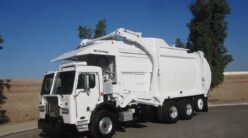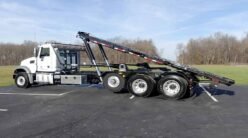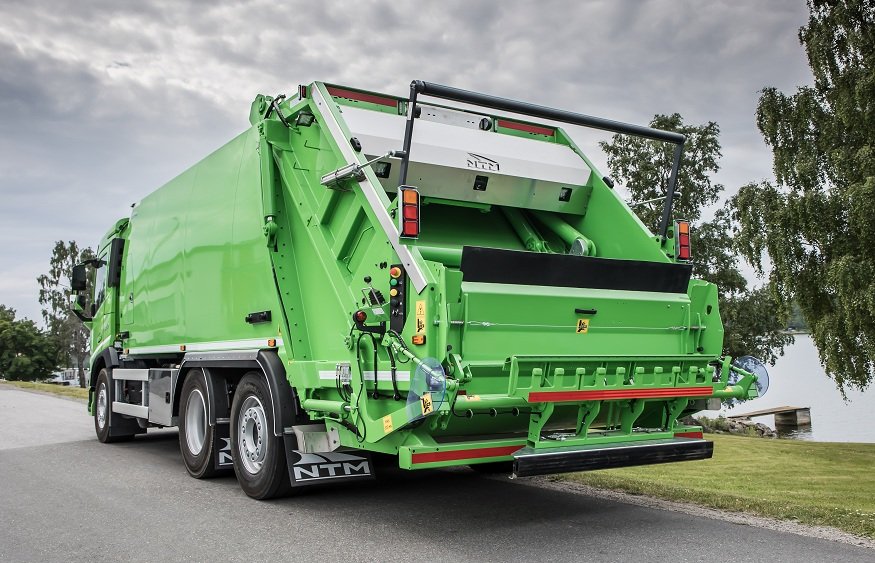
Regular maintenance is essential for keeping refuse trucks in dependable operating condition. Waste management companies rely on these vehicles to collect and transport waste according to daily schedules. Because refuse trucks operate under demanding conditions, their mechanical and hydraulic systems require consistent inspection and servicing. McNeilus refuse trucks are designed for different waste collection applications, and following appropriate maintenance procedures can help businesses protect their equipment investments and reduce unexpected downtime.
Establish a Preventive Maintenance Schedule
The first step toward effective truck maintenance is creating a preventive servicing schedule. Instead of waiting for a mechanical failure, companies should inspect vehicles regularly and address developing issues early.
Maintenance schedules should follow manufacturer recommendations and account for operating hours, mileage, and collection conditions.
Read More : Where to Find a Reliable McNeilus Front Loader for Sale
Fleet managers should document completed inspections, repairs, fluid changes, and replacement components. These records help technicians understand vehicle conditions and identify recurring maintenance requirements.
Inspect Hydraulic Components
Hydraulic systems operate important equipment on many refuse trucks, including lifting mechanisms and compactors.
Technicians should inspect hoses, cylinders, seals, connections, and fluid levels. Leaks, damaged hoses, unusual noises, and inconsistent movements should be investigated promptly.
Hydraulic fluid should be maintained according to the manufacturer’s specifications. Using unsuitable fluids or ignoring contamination can affect system performance.
Companies operating rear loader refuse trucks should pay particular attention to hydraulic components associated with their rear loading and compaction equipment.
Maintain Loading and Compaction Systems
Loading and compaction equipment performs repetitive work throughout collection routes. Regular inspection helps identify wear, loose connections, and damaged components.
Technicians should examine moving parts and other service points identified in the vehicle maintenance documentation. Equipment should also be cleaned according to recommended procedures to prevent waste buildup from interfering with operation.
Operators should report changes in loading speed, unusual noises, or inconsistent compaction performance. Early reporting can help maintenance teams investigate problems before they become more serious.
Check Tires and Braking Systems
Tires and brakes are essential for safe refuse truck operation. Vehicles frequently stop, start, and maneuver through different road conditions during collection activities.
Technicians should inspect tire pressure, tread condition, sidewall damage, and uneven wear. Braking systems should also be examined according to the manufacturer’s recommended maintenance schedule.
Drivers should report unusual vibrations, pulling, or changes in braking performance. These symptoms may indicate a condition requiring professional inspection.
Inspect Electrical Systems
Modern refuse trucks may include electrical equipment for vehicle controls, lighting, warning systems, and installed technology.
Maintenance teams should check batteries, wiring connections, switches, lights, and other electrical components. Damaged wires and loose connections should be addressed by qualified technicians.
Backup alarms, warning lights, cameras, and other safety equipment should be inspected regularly to confirm proper operation.
Keep the Vehicle Clean
Cleaning is a simple but important part of refuse truck maintenance. Waste residue, moisture, and debris can accumulate around the collection body and mechanical equipment.
Regular cleaning helps technicians identify leaks, corrosion, and visible damage more easily. It can also prevent waste buildup from interfering with moving equipment.
Companies should use appropriate cleaning methods and follow manufacturer recommendations to protect sensitive electrical and hydraulic components.
Follow Correct Replacement Part Procedures
Replacement parts must match the vehicle’s specifications. Installing an incorrect component can cause compatibility problems and may affect equipment performance.
Before ordering McNeilus truck components, maintenance teams should confirm the truck model, serial information, configuration, and applicable part numbers.
Businesses researching rear loader refuse trucks should also identify replacement requirements associated with the loading body, hydraulic system, and compaction equipment.
Ten-8 Industrial offers parts and maintenance support for McNeilus refuse and recycling vehicles in Alabama, Florida, Georgia, and Mississippi. Customers in its service territory can contact the dealership to investigate parts availability and service requirements.
Train Drivers to Perform Daily Inspections
Drivers are often the first to notice changes in vehicle performance. They should receive training on pre-trip and post-trip inspection procedures.
Daily inspections may include checking tires, lights, mirrors, brakes, visible leaks, and the condition of collection equipment.
Drivers should also understand how to report mechanical concerns. Clear communication between operators and maintenance technicians helps businesses respond to problems more effectively.
Monitor Maintenance Costs
Maintenance expenses should be monitored across the entire fleet. Companies should track repair costs, replacement components, service frequency, and vehicle downtime.
Reviewing these records can help managers identify vehicles that require repeated repairs. It also helps businesses plan maintenance budgets and decide when equipment may need replacement.
Fleet managers should avoid delaying necessary repairs simply to reduce immediate expenses. Unresolved problems can create more expensive failures later.
Store and Park Vehicles Properly
Proper parking and storage practices can help protect refuse trucks when they are not in operation. Vehicles should be parked in appropriate locations and secured according to company procedures.
Where possible, businesses should reduce unnecessary exposure to conditions that may contribute to corrosion or equipment deterioration.
Read More : How Galbreath Roll Off Solutions Support Efficient Waste Management
Vehicles that remain unused for extended periods should receive appropriate inspections before returning to service.
Conclusion
Maintaining McNeilus refuse trucks requires regular inspections, hydraulic system care, loading equipment servicing, tire and brake checks, and proper replacement component selection. Preventive maintenance helps reduce unexpected downtime and supports dependable collection operations.
Businesses operating rear loader refuse trucks should pay particular attention to their rear loading mechanisms and compaction systems. Maintaining accurate service records and training drivers also contribute to long-term vehicle reliability. With appropriate maintenance planning and support from Ten-8 Industrial within its service territory, waste management companies can protect their equipment and maintain efficient daily operations.